Stage 01
Consultation and screening
A health check first. Blood thinners, clotting disorders, anaemia, diabetes, pregnancy and skin conditions all change what is appropriate.
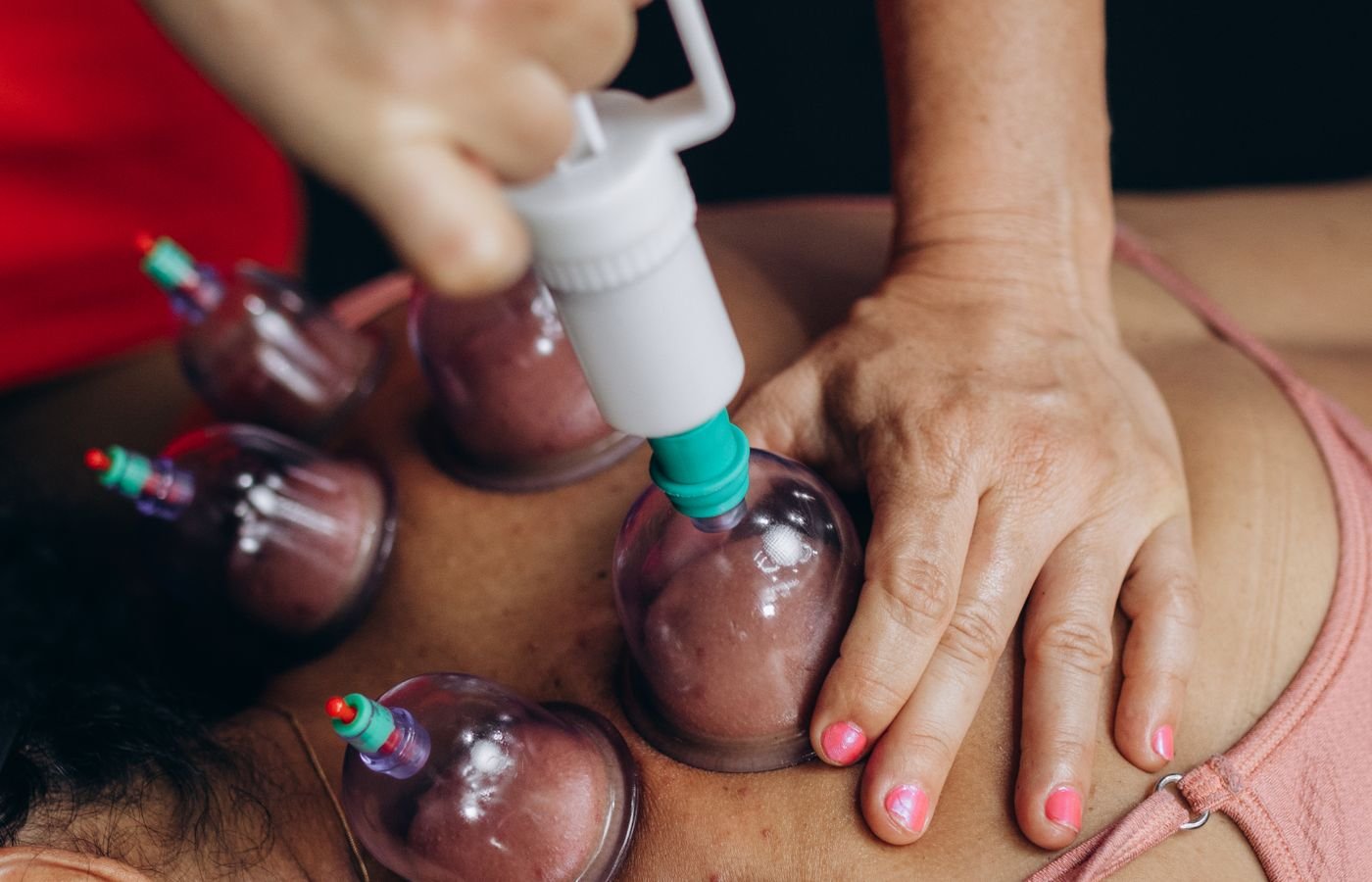
Dry and wet cupping with single-use equipment and proper aftercare.
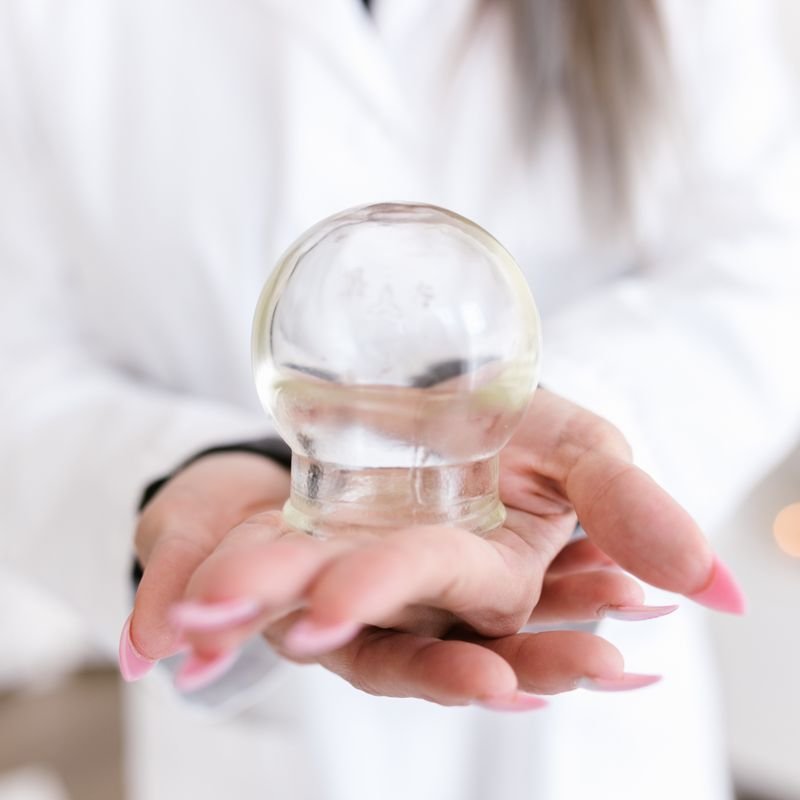
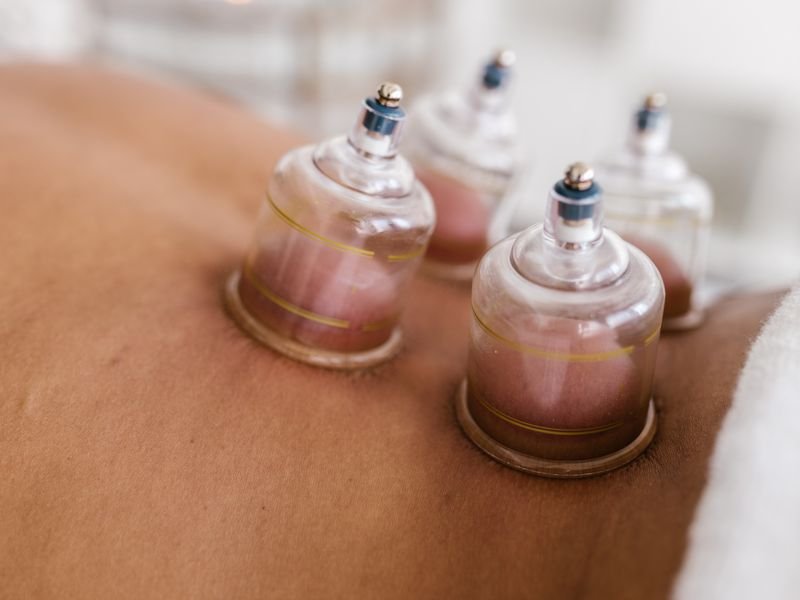
Hijama (Cupping)
Hijama is a traditional practice with a long history and a devoted following. Dry cupping applies suction to the skin; wet cupping adds small superficial incisions so a little blood is drawn into the cup.
Two things are said plainly here. The scientific evidence for cupping is limited, and mostly concerns short-term relief of muscular pain. And wet cupping breaks the skin, which makes sterile technique and aftercare the most important part of the session — not an afterthought.
Single-use everythingCups and blades opened in front of you and disposed of after.
Honest about the evidenceLimited, and mostly about short-term muscular relief.
Aftercare you leave withWritten, because the sites are small open wounds.
Screened firstSeveral conditions rule wet cupping out entirely.
How it is staged
Each stage ends with a decision point — nothing moves forward on autopilot.
Stage 01
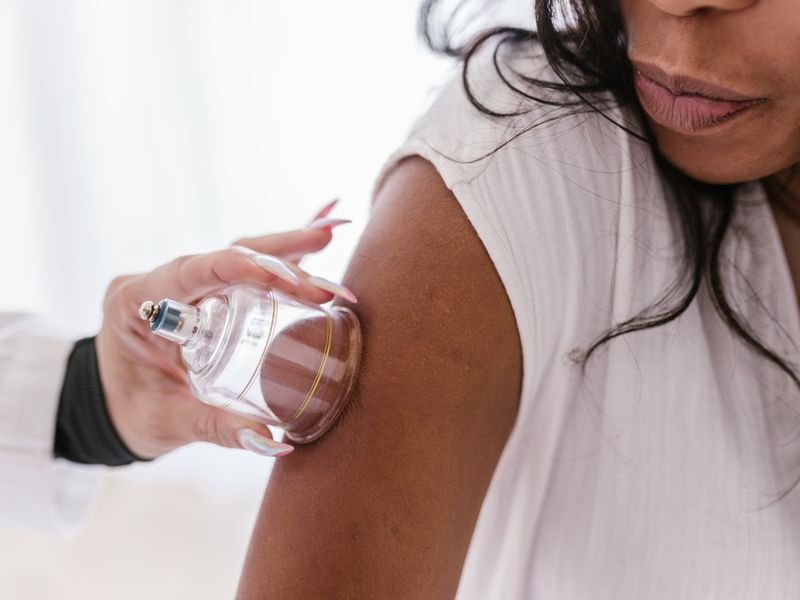
A health check first. Blood thinners, clotting disorders, anaemia, diabetes, pregnancy and skin conditions all change what is appropriate.
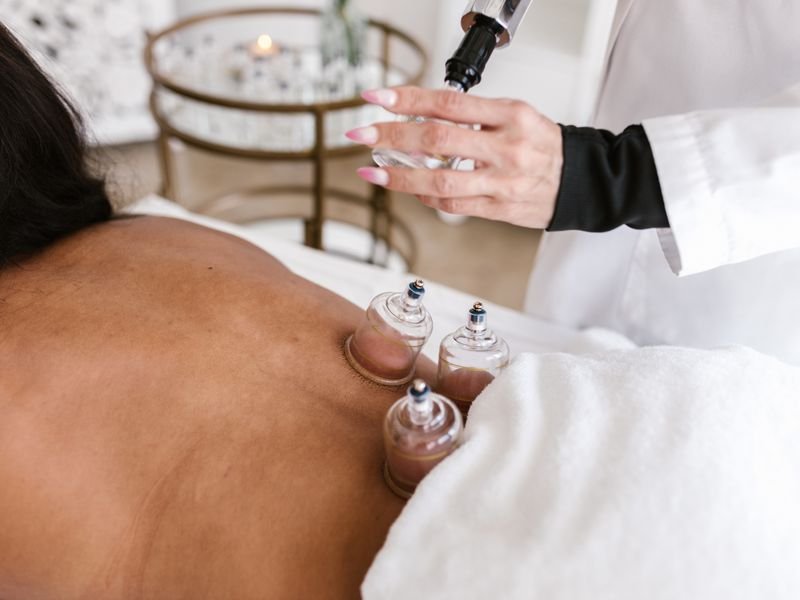
Stage 02
Dry cupping, or wet cupping with sterile single-use equipment, over the agreed areas.
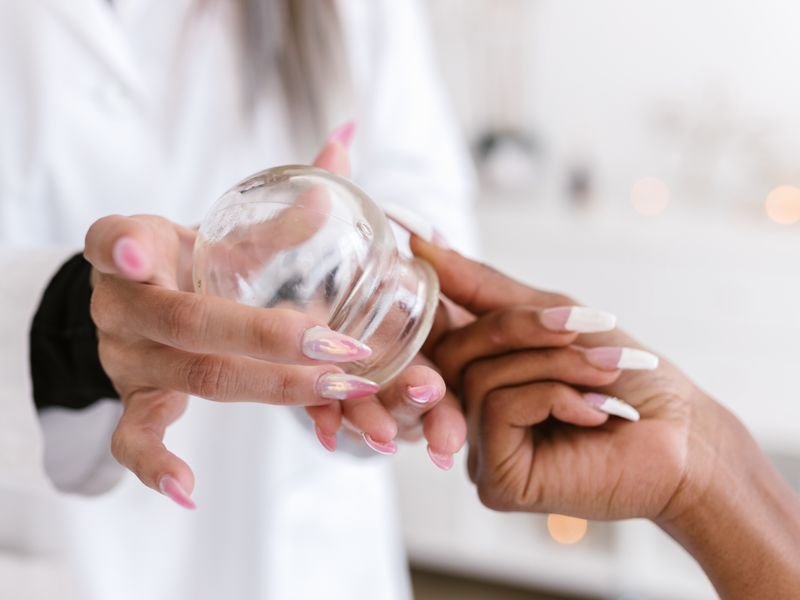
Stage 03
The sites are covered, you are given written aftercare, and you are told exactly what warrants seeing a doctor.
Why it is done this way
Opened in front of you, used once.
What the evidence supports, and what it does not.
Several conditions make wet cupping unsuitable.
 Before
After
Before
After
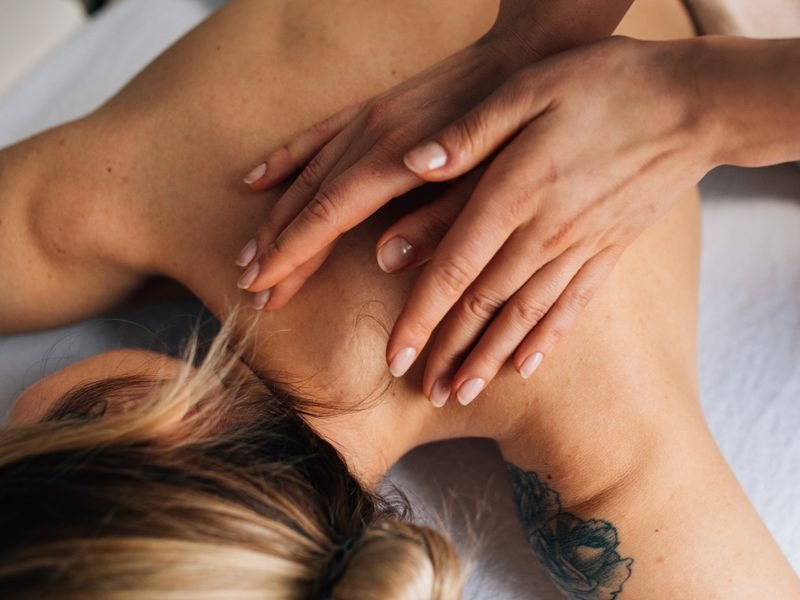
Stock photography shown for layout. Replace with consented photographs before launch.
Start to review
Every stage is recorded — vocabulary, sentence length, intelligibility, measurements and, where you have them, blood results. You see your own numbers next to where you started, which beats being told it is going well.
Questions
No, and it is not offered here as a treatment for disease. The evidence is limited and mostly concerns short-term relief of muscular pain. If you have a medical condition, it is managed by your doctor.
Dry cupping feels like a strong pull. Wet cupping adds small superficial incisions, which most people find brief and tolerable. Circular marks are normal and fade over days to a couple of weeks.
It is a procedure that breaks the skin, so it carries a real infection risk if done badly. Single-use equipment, clean technique and aftercare are what make it safe. Never have wet cupping anywhere that reuses blades or cups.
Tell me if you take blood thinners, have a clotting disorder, anaemia, uncontrolled diabetes, an active skin condition or infection, are pregnant, or are immunosuppressed. Some of those rule it out; others need your doctor's view first.
Keep the sites clean and covered as instructed, avoid pools, the sea and hot tubs while they close, and see a doctor if you get spreading redness, heat, increasing pain or a fever.
Related
Body composition and measurements, so progress is measured rather than guessed.
Learn moreWood therapy and vacuum over the area, as a course rather than a single session.
Learn more
Send a message describing what you have noticed. You will get an honest answer about whether it is worth an appointment.